https://www.ctxkh.com/a-comprehensive-guide-to-chinas-regional-culinary-traditions/
That golden, crispy, and irresistibly sweet and sour carp is not just the grand finale of a banquet, but also a culinary heritage embedded in Shandong cuisine. Every time the oil sizzles and the sweet and sour sauce bubbles, it’s a re-enactment of the taste of “home” for Shandong people.
Its unique balance of sweet and sour and its frying technique have even inspired European-style grilled fish , allowing cross-cultural dining experiences to appreciate the delicate art of Eastern seasoning.
1. What is sweet and sour carp?
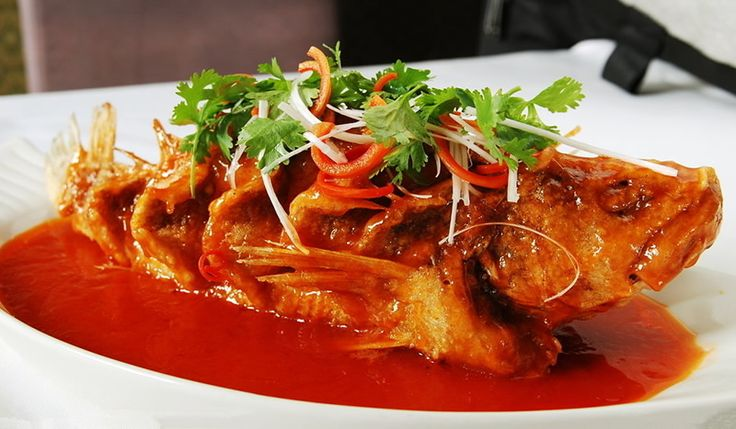
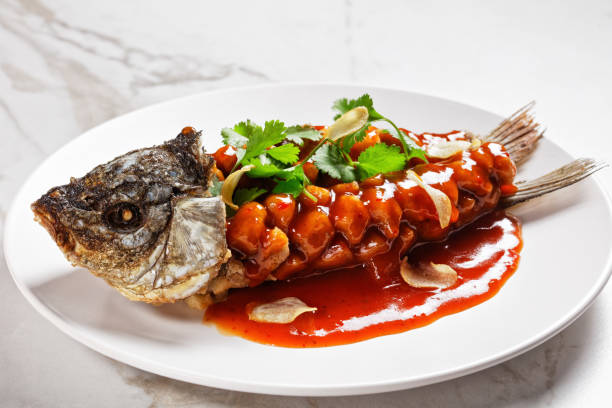
Sweet and sour carp, made primarily with carp, is first fried and then drizzled with a sweet and sour sauce. It is one of the most representative classic dishes of Shandong cuisine. The finished dish is often shaped like a “carp leaping over the dragon gate,” symbolizing good fortune and progress. The fish skin is crispy and fragrant, while the fish meat is tender and juicy, with a sweet and sour flavor that is subtly savory, and a bright red color that is very appealing.
In Jinan, Shandong, this dish is almost always the “grand finale” at festivals, celebrations, and weddings. It embodies the essence of Shandong cuisine’s emphasis on cooking time and seasoning, and also encapsulates the richness and refinement of northern cuisine.
II. From the Yellow River to Imperial Cuisine: The Historical Origins of Sweet and Sour Carp
located
in the lower reaches of the Yellow River, is rich in plump Yellow River carp. Local chefs, using natural sweet and sour seasonings and exquisite cooking techniques, have gradually developed this famous dish that combines sweet and sour flavors with an irresistible aroma.
folklore and imperial anecdotes
, Emperor Qianlong, traveling incognito to Jinan, tasted this dish and praised it highly, bestowing upon it the name “Sweet and Sour Carp,” thus spreading its fame far and wide. While the veracity of this story is difficult to verify, it demonstrates its dual status among the common people and the imperial court.
From the author’s perspective ,
while consulting “The History of Shandong Cuisine” and the documentary “A Bite of China ,” I discovered that sweet and sour carp is actually a natural fusion of the long-standing fish-eating tradition of the Yellow River basin and the cooking techniques of Shandong cuisine. It is not an accidental invention, but the result of slow and careful refinement over time.
III. Three Key Elements of Authentic Method
1️⃣ Fish preparation and cutting
Select live carp, remove scales, gills, and internal organs, and thoroughly remove the black membrane and fishy line. The cutting is key—use the “peony flower cut,” with cuts deep to the bone and evenly spaced, which facilitates both thorough frying and easy shaping.
2️⃣ The Double Secret to Frying Temperature
To achieve a crispy exterior and tender interior, you must master the “double frying” technique:
First fry : Fry in oil at 60% heat (approximately 180°C) until cooked through and set.
Double frying : Quickly fry at 80% heat (about 200°C) to force out the oil, making the surface crispy and shiny.
3️⃣ The golden ratio of sweet and sour sauce
Traditional sweet and sour sauce does not contain ketchup; instead, it is made with sugar, vinegar, soy sauce, and cooking wine. The classic ratio is:
1 part cooking wine: 2 parts soy sauce: 3 parts sugar: 4 parts vinegar: 5 parts water.
The key is a balance of sweet and sour flavors and a glossy color, which can be adjusted to personal taste.
IV. Detailed Recipe for Homemade Sweet and Sour Carp
Ingredient preparation
One carp (approximately 750g)
Scallions, ginger, garlic, cooking wine, salt, and pepper.
Starch and flour, in appropriate amounts
Sugar, aged vinegar, light soy sauce, dark soy sauce
Cooking steps
Marinating the fish : After making cuts in the fish, rub it with scallions, ginger, cooking wine, salt, and pepper, and marinate for 15 minutes.
Prepare the batter : Mix starch and flour in a 1:1 ratio, add a little water to make a thick batter. Coat the batter evenly with the batter.
First fry : Fry over medium heat for 5-6 minutes until the fish is set.
Double fry : Fry at high oil temperature for 30 seconds until the outer skin is golden and crispy.
Prepare the sauce : Sauté minced scallions, ginger, and garlic in a wok until fragrant. Add sugar, vinegar, soy sauce, cooking wine, and water to thicken the sauce. Reduce the sauce until it is thick and glossy. Finally, pour the sauce evenly over the fish while it is still hot.
Hearing that sizzling sound is the soul of this dish.
V. A Dialogue Between Culture and the Modern Dining Table
The perfect balance of sweet and sour in sweet and sour carp has not only captivated the palates of Chinese people but has also inspired a trend of **[cross-cultural culinary inspiration]** – from French honey-glazed cod to Spanish sweet and sour grilled sea bream, similar seasoning logics can be seen.
At the dining table, this fusion of East and West makes taste the gentlest cultural translator.
VI. Frequently Asked Questions (FAQ)
Q1: Where does sweet and sour carp originate?
A: It originated in Jinan, Shandong, and is one of the iconic dishes of Lu cuisine.
Q2: Can other fish be used instead?
A: Yes, grass carp, bass, mandarin fish, etc. can be used instead, but carp has a texture closer to the traditional taste.
Q3: What’s the key to sweet and sour sauce?
A: The balance of sweet and sour, and its “brightness.” The sugar should be caramelized until slightly browned before being added to the vinegar sauce for a more complex flavor profile.
Q4: How to keep the fish skin crispy?
A: Double frying is key, and the sweet and sour sauce should be poured on at the very last moment.
VII. Conclusion: The Chinese Flavor Between Sweet and Sour
Sweet and sour carp is more than just a dish; it’s a memory of cooking time, tradition, and the warmth of home . It allows people to savor the layers of life and the depth of culture through the harmonious blend of sweet and sour flavors.
By mastering the preparation of the fish, the cooking time, and the balance of sweet and sour, you too can recreate this classic Shandong dish at home.
https://www.ctxkh.com/a-comprehensive-guide-to-chinas-regional-culinary-traditions/