https://www.ctxkh.com/the-ultimate-guide-to-traditional-chinese-culinary-secrets-vegetarian-traditions-spices-and-legendary-delicacies/
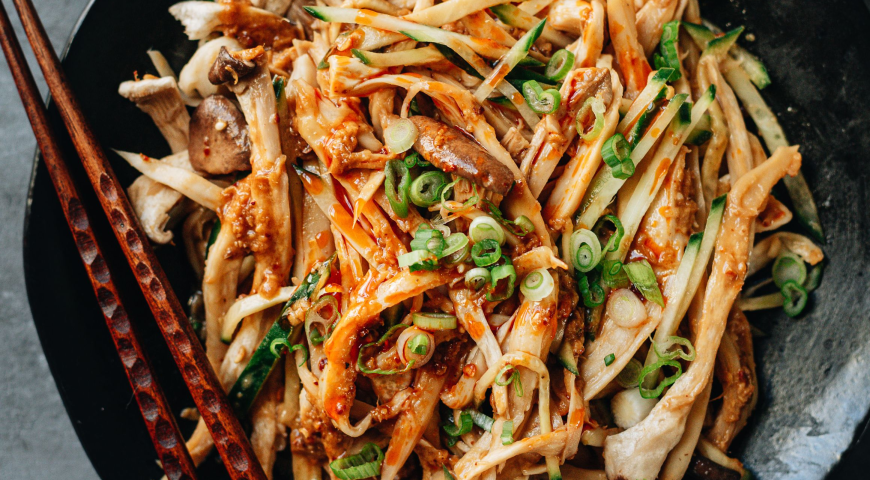
Chinese traditional vegetarian culture has a long history, containing the essence of thousands of years of culinary wisdom. From temple vegetarian dishes to imperial vegetarian cuisine, these traditional culinary secrets not only reflect the ancients’ profound understanding of healthy eating, but also provide valuable nutritional insights for modern people.
For those pursuing a healthy diet, exploring the comprehensive Chinese vegetarian recipe book is the best way to discover the fusion of traditional flavors and vegetarianism, allowing you to easily practice a vegetarian lifestyle while respecting tradition. This article will take you on a deep dive into the profound value of vegetarian cuisine in traditional Chinese food, understanding its cultural origins, culinary wisdom, and modern nutritional significance.
The cultural origins of traditional Chinese vegetarianism
The spiritual connotation of vegetarianism in temples
One of the important sources of Chinese vegetarian culture is Buddhist temple vegetarianism. Since the introduction of Buddhism to China, temple vegetarianism has gradually developed a unique culinary system and dietary philosophy. Temple vegetarianism is not just a food choice, but also a reflection of a philosophy of life.
After visiting several historic temples and interviewing vegetarian chefs, it can be seen that the traditional vegetarian philosophy of “purity, simplicity, and nature” coincides with the light diet advocated by modern nutrition science, reflecting the advanced dietary wisdom of the ancients.
The Refinement of Royal Vegetarian Food
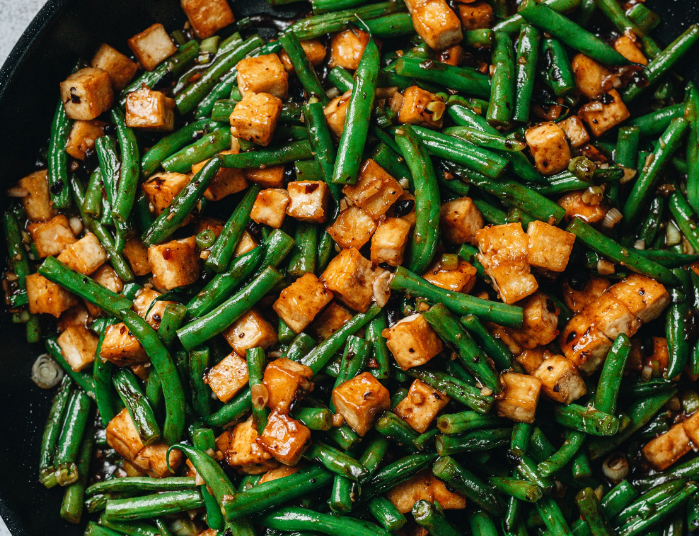
Besides temple vegetarian cuisine, imperial vegetarian cuisine is also an important part of traditional Chinese vegetarianism. Imperial chefs throughout history have perfected vegetarian cooking techniques, creating numerous exquisite vegetarian dishes that excel in color, aroma, taste, and presentation. These dishes not only emphasize flavor but also the medicinal value and health benefits of the ingredients.
Four Culinary Wisdoms of Traditional Vegetarian Food
1. The art of balancing ingredient pairings
The most significant wisdom of traditional vegetarianism lies in the pairing of ingredients:
Combining beans and grains : Tofu with rice, and bean products with pasta, can improve protein bioavailability. Modern nutrition science has confirmed that this traditional combination provides a complete amino acid profile.
Combining fungi and algae : The combination of fungi and algae such as shiitake mushrooms, wood ear fungus, nori, and kelp enhances the umami flavor while replenishing minerals and trace elements.
2. Diversity of cooking techniques
Meat-like processing : Using special processes to give vegetarian food the texture and flavor of meat.
Fermentation technology : Fermented foods such as natto and fermented black beans increase nutritional value and flavor profile.
Slow cooking : fully releases the nutrients and natural flavors of the ingredients.
3. The Natural Approach of the Art of Seasoning
Mushroom water and bamboo shoot soup can replace MSG
Sichuan peppercorns, star anise, and other natural spices enhance the flavor.
Homemade sauces reduce additive intake
4. Seasonal Wisdom of Health Preservation
Springtime: Green leafy vegetables that soothe the liver and regulate Qi
Summer: Fruits and melons that cool and relieve summer heat
Autumn: Root and rhizome vegetables that moisturize dryness and promote body fluid production
Winter: Warm and nourishing legumes and nuts for kidney health
Nutritional value verified by modern science
1. Scientific assessment of protein quality
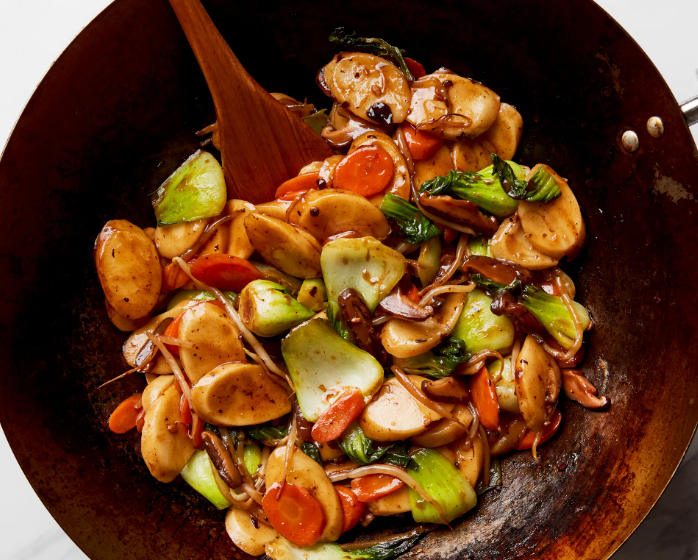
In traditional vegetarian diets, the protein quality of soy products is comparable to that of animal protein, and a proper combination with grains can meet the protein needs of all age groups.
2. Advantages of Micronutrients
Rich in dietary fiber: beneficial for gut health
Diverse phytochemicals: antioxidants such as soy isoflavones and lycopene.
3. Potential for Chronic Disease Prevention
Low incidence of cardiovascular disease
Reduced risk of type 2 diabetes
Weight management is easier to control
Note: These findings are primarily based on observational studies, and further randomized controlled trials are needed to verify the causal relationship.
How to inherit and innovate traditional vegetarian food
Preserve core wisdom
Insist on using natural ingredients and avoid excessive processing.
Pay attention to seasonality and choose fresh, in-season ingredients.
Keep cooking simple and respect the original flavor of the ingredients.
Make necessary innovations
Nutritional balance optimization: Adjusting diets based on modern nutrition science
Improved cooking efficiency: Adapting to a fast-paced lifestyle
Diverse flavors: catering to different taste preferences
Three steps of practical advice
Start from the basics: Master a few classic traditional vegetarian dishes
Gradual Innovation: Personalized Adjustments Based on Tradition
Balanced diet: Ensure each meal includes protein, carbohydrates, and vegetables.
FAQ
Q1: Can a traditional vegetarian diet provide enough protein?
A: Yes, a balanced diet with soy products and grains can provide high-quality protein, especially by increasing the intake of legumes, nuts, and whole grains.
Q2: What are the main differences between modern vegetarianism and traditional vegetarianism?
A: Modern vegetarianism relies more on processed vegetarian products, while traditional vegetarianism emphasizes natural ingredients and cooking techniques, and is generally healthier.
Q3: Is traditional vegetarianism suitable for children and pregnant women?
A: Under professional guidance, a properly optimized traditional vegetarian diet can meet the needs of special groups, but attention should be paid to nutrients such as iron, calcium, and vitamin B12.
Q4: How to avoid the problem of excessive seasoning in traditional vegetarian cuisine?
A: Use natural umami ingredients such as shiitake mushrooms and bamboo shoots, reduce the amount of salt and soy sauce, and gradually adapt to the light and natural flavor.
Q5: How can beginners start trying traditional vegetarian food?
A: It is recommended to start with “one vegetarian dish a week”, learn a few simple traditional vegetarian dishes first, and then gradually increase the proportion.
Conclusion
The secrets of vegetarian cuisine in traditional Chinese food not only carry rich cultural value, but also provide modern people with healthy dietary choices through scientific ingredient pairings, cooking techniques, and seasonal wisdom. Exploring these secrets allows you to experience traditional flavors and achieve a perfect combination of vegetarianism and Chinese delicacies.
https://www.ctxkh.com/the-ultimate-guide-to-traditional-chinese-culinary-secrets-vegetarian-traditions-spices-and-legendary-delicacies/