https://www.ctxkh.com/the-ultimate-guide-to-traditional-chinese-culinary-secrets-vegetarian-traditions-spices-and-legendary-delicacies/
Some people think of Chinese cuisine as “a collection of techniques and sauces”; I prefer to think of it as a narrative of aromas—every bite tells a story. You don’t need to take notes while reading this article; just be willing to try it out in the kitchen. We start with the spiciness and fermentation of Chinese cuisine, then move on to African spices , not for academic comparisons, but to discover that “resonance” that makes your heart race with just one taste.
The layers of Sichuan flavor: numbing, spicy, fresh, and fragrant.
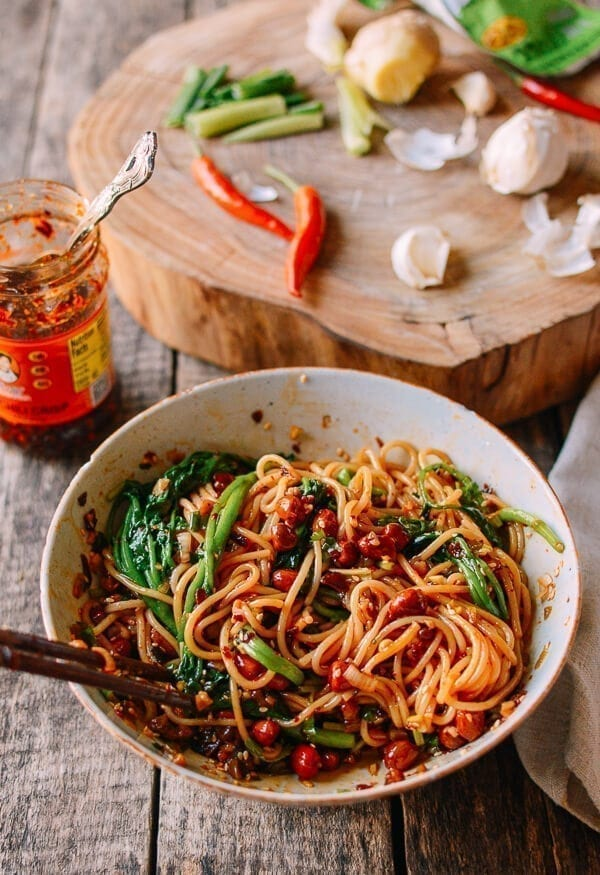
When discussing Sichuan cuisine, two things come to mind: the tingling sensation on the tongue from Sichuan peppercorns, like a gentle electric current , and the skillful layering of flavors through fermentation and oil. The simplest and most authentic way to achieve this taste at home is with chili sauce and Pixian doubanjiang (fermented broad bean paste). Lao Gan Ma’s crispy chili flakes are practically a global staple: their crunchy, spicy bits can brighten up pasta, noodle soups, and roasted vegetables, and are available in most supermarkets and online stores. Pixian doubanjiang, on the other hand, provides a deeper fermented bean aroma, making it a perfect accompaniment to dishes like Mapo Tofu and Twice-Cooked Pork.
Lao Gan Ma chili sauce is commonly available in 210g and 670g sizes , in both family and restaurant packs. It’s easy to store and ready to use right out of the box. Pixian Doubanjiang (Pixian chili bean paste) is usually sold in 454g or 1kg packs. It has a richer flavor and is best enjoyed by stir-frying over low heat. Don’t just treat them as “spicy supplements”—use them as a base for your seasonings for even better flavor.
When I first mixed Lao Gan Ma chili sauce into my pasta, the sudden feeling of happiness made me wonder if the world should have introduced it to each other’s tables sooner.
From Sichuan to West Africa: The Transoceanic Resonance of Spices
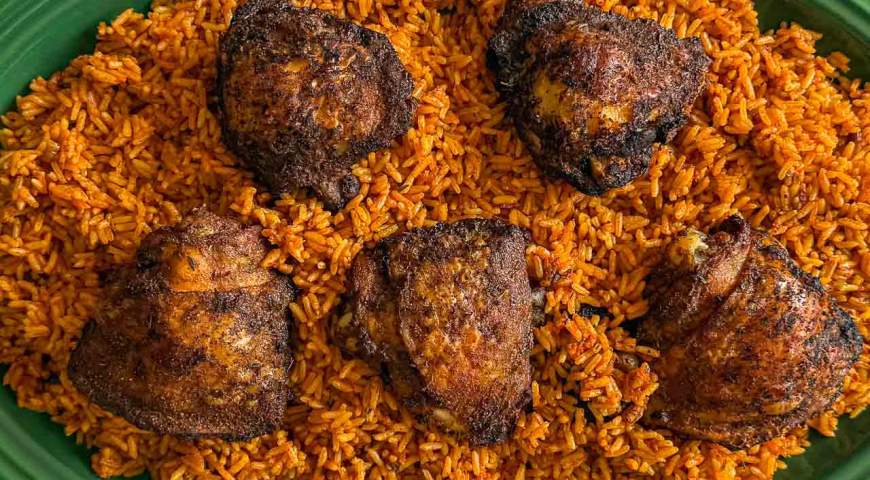
This isn’t about forcibly linking the two dishes together and pretending they’re related. The key is that both emphasize “telling a story with spices.” In West Africa, complex seasoning powders like tomatoes, chilies, smoked fish, and Onga combine to create dishes like Jollof Rice; in North Africa, blends of spices like Ras el Hanout—cinnamon, cumin, nutmeg, etc.—create layers of flavor in tagine. Onga, an instant seasoning powder, is widely used locally, for both stews and quick seasoning; while Shito (Ghanaian) is the kind of sauce you scoop and spread on rice, with a seafood or shrimp powder flavor, and a thick texture from the oil and chili that’s similar to Asian XO sauce—only the ingredients and style are different.
Onga is usually sold in small rolls or 60g bags, convenient for sprinkling into soups or mixing with rice; Shito is sometimes sold in large 450g jars, and sometimes in small bottles as a condiment, suitable for long-term use after refrigeration. Ras el Hanout from North Africa is sold in bulk or in bags by many traders, suitable for curing lamb or stewing vegetables.
Putting them together: a viable fusion idea
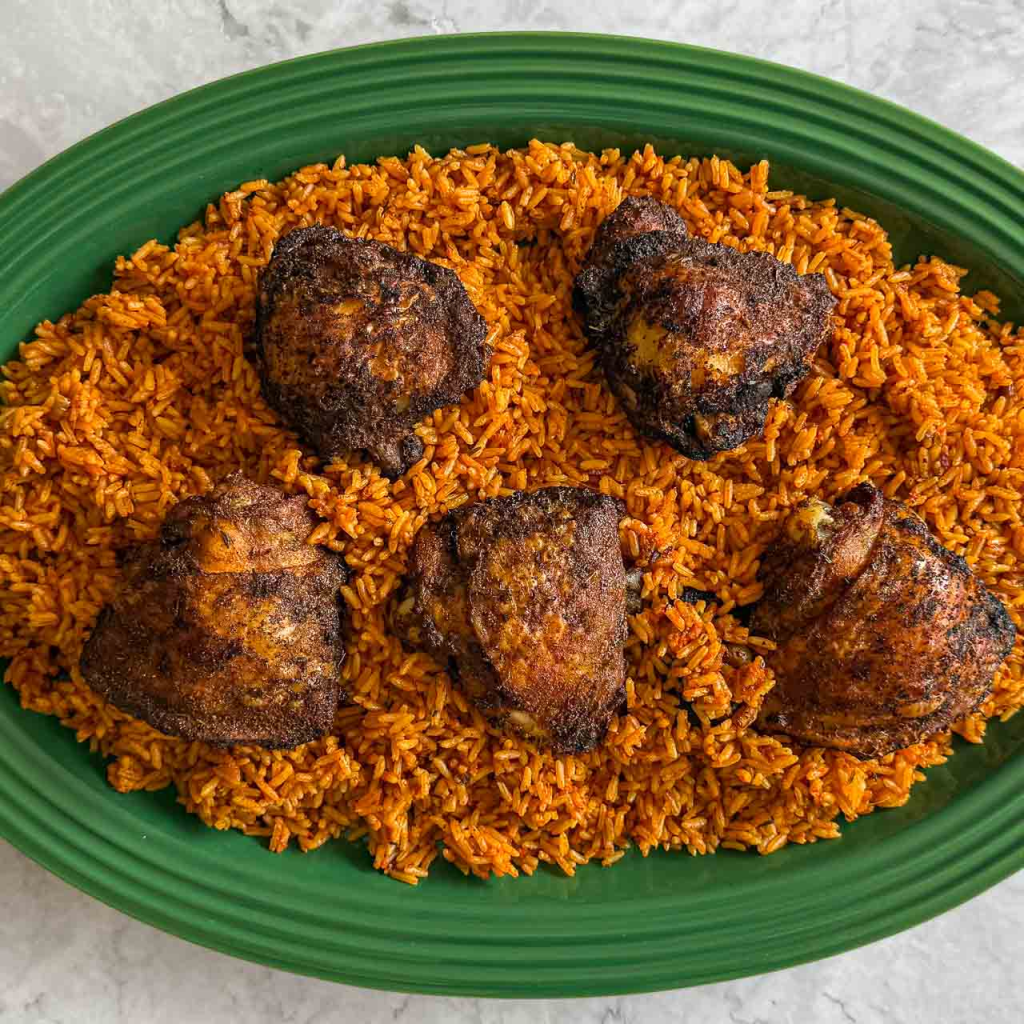
Okay, here’s the most interesting part: what happens when you bring a seasoning from one culture into another dish? Here are two simple experiments for you—just experiment, don’t be too rigid about the recipes:
Experiment 1 : Sichuan-style Jollof
Using tomatoes, onions, and chili peppers as the base for Jollof, a touch of Pixian chili bean paste (a small amount) is added, garnished with Lao Gan Ma chili sauce for a crispy and fragrant flavor, and finally sprinkled with a few Sichuan peppercorns and lightly sautéed. The result is—familiar yet unfamiliar, with the sweet and sour taste of tomatoes layered by the fermentation of the chili bean paste and the numbing sensation of the Sichuan peppercorns.
Experiment 2 : The aroma of fermented soybeans in a tagine pot
Adding a touch of Ras el Hanout as the main ingredient to a North African tagine, and then garnishing it with a small amount of Shito with a seafood flavor (or using it to replace some of the butter), will create a richer aroma, with both the woody and sweet notes of North Africa, as well as the umami flavor of West Africa/China.
These practices aren’t “orthodox,” but rather impromptu conversations in the kitchen. You might fail—that’s okay, failure often brings surprises.
What to buy and how to use it
- Lao Gan Ma : Common household brands come in 210g/300g packs, suitable for mixing with noodles, rice, soup, or as a dipping sauce; available in online supermarkets and on Amazon.
- Pixian Doubanjiang : Choose the 454g or 1kg package. When cooking, taste a small amount first. It has a strong fermented flavor and is suitable for slow cooking to infuse the flavor.
- Onga seasoning powder : Suitable for readers who want to recreate the flavors of West African home cooking. It is commonly sold in small packets and can quickly add flavor to stews, soups, or rice.
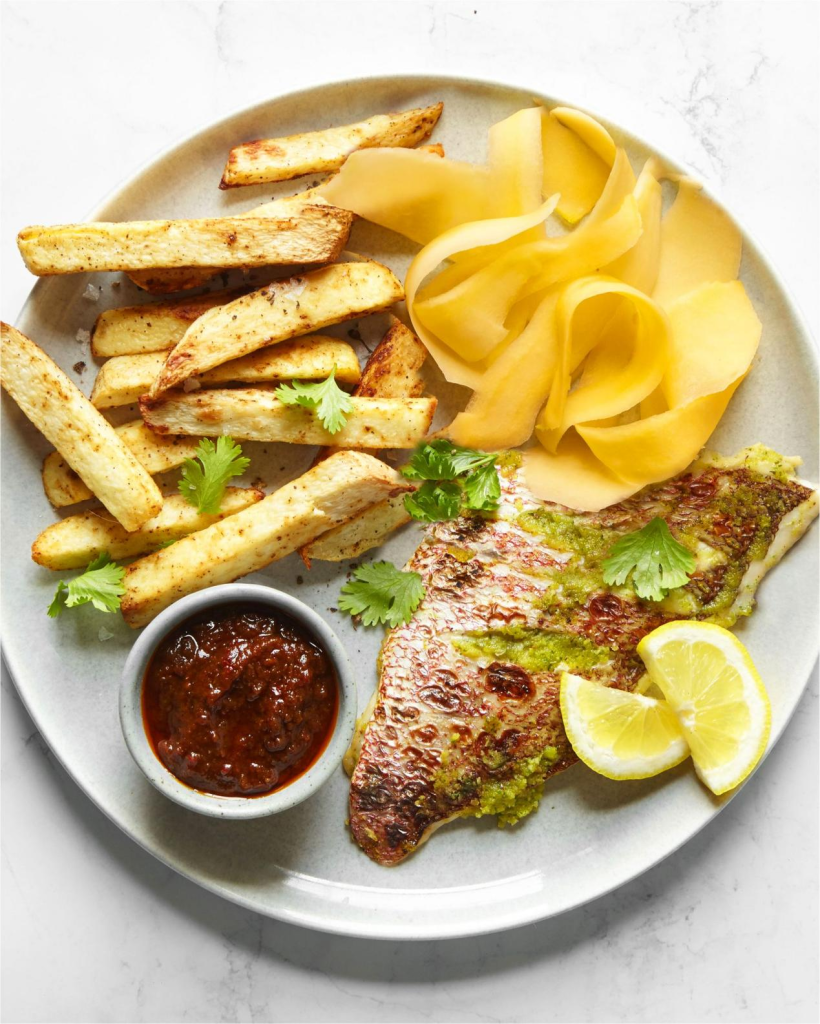
- Shito (Ghanaian hot sauce) : Choose the seafood-flavored version to pair with rice or grilled fish. It has a rich flavor, and a small amount can enhance the freshness of the whole dish.
- Ras el Hanout & Edible Argan Oil : Ras el Hanout is suitable for slow cooking and roasting; edible argan oil is available for roasting and cold dishes, the former has a richer flavor, while the latter is suitable for salads or as a finishing touch .
Conclusion: Don’t be afraid of “making mistakes”
At this point, I want to say two things. First, food is more inclusive than language—a simple “delicious” is enough. Second, the process of cooking itself is a learning experience. Occasional leaps in creativity, or the occasional “mistake,” are often more interesting than following a recipe exactly. Try mixing your chili sauce, fermented beans, and African spices together, and don’t forget: the kitchen is the most generous laboratory.
Finally, I’d like to leave you with this thought: When spiciness meets smoke and spices, it’s not a conflict, but a dialogue between two cultures in the pot. Go listen to what they have to say.
https://www.ctxkh.com/the-ultimate-guide-to-traditional-chinese-culinary-secrets-vegetarian-traditions-spices-and-legendary-delicacies/