
https://www.ctxkh.com/a-comprehensive-guide-to-chinas-regional-culinary-traditions/
When people think of Chinese cuisine, they often picture the spicy flavors of Sichuan cuisine, the delicate artistry of Cantonese cuisine, or the fresh and light taste of Huaiyang cuisine. But have you ever heard of Lu cuisine? As one of China’s four major culinary traditions, Lu cuisine boasts a long history, unique cooking techniques, and profound cultural significance. Today, let’s take a deep dive into the world of Lu cuisine—its origins, characteristics, and why it continues to shine on the global stage.
1. Origins and History of Lu Cuisine

Lu cuisine, also known as Shandong cuisine, originates from Shandong Province in eastern China. This region is the birthplace of Confucian culture, and Confucius himself once advocated for refined cooking with the phrase, “Food should be prepared with precision, and finely cut meats should never be coarse.” This philosophy deeply influenced the development of Lu cuisine.
- Historical Roots: Lu cuisine has strong connections to imperial and official banquets, with many of its classic dishes once served exclusively to emperors and nobility.
- Geographical Advantage: With its coastal location, Shandong has an abundance of seafood, while its fertile plains produce high-quality grains and vegetables, providing a diverse selection of ingredients for Lu cuisine.
2. Five Key Characteristics of Lu Cuisine
Lu cuisine is renowned for its emphasis on freshness, aroma, crispness, tenderness, and smoothness. Here are its five defining characteristics:
Freshness: The cuisine highlights the original flavors of ingredients, especially seafood dishes like Braised Sea Cucumber with Scallions and Oil-Braised Prawns, which taste exceptionally fresh.
Aroma: Lu cuisine skillfully uses ingredients like scallions, ginger, and garlic to create a rich aroma without overpowering the natural taste of the food.

Crispness: Many deep-fried dishes, such as Sweet and Sour Carp, have a crispy exterior while remaining tender inside.
Tenderness: Mastery of heat control ensures that dishes like Braised Pork Intestines (Jiu Zhuan Da Chang) achieve a soft and delicate texture.
Smoothness: Soups and stewed dishes, such as Milk Soup with Water Shield (Nai Tang Pu Cai), are known for their velvety consistency.
3. Classic Dishes of Lu Cuisine
Lu cuisine is home to numerous iconic dishes. Here are some of its most famous culinary creations:
Braised Sea Cucumber with Scallions: A luxurious dish featuring soft sea cucumber infused with the flavor of scallions, creating a savory and umami-rich taste.
Sweet and Sour Carp: A deep-fried carp drizzled with a glossy sweet and sour sauce, offering a delightful contrast of crispy and tender textures.
Braised Pork Intestines (Jiu Zhuan Da Chang): A delicacy known for its rich layers of flavor and melt-in-the-mouth tenderness.
Oil-Braised Prawns: Fresh prawns cooked in an oil-based sauce, enhancing their natural sweetness.
Milk Soup with Water Shield (Nai Tang Pu Cai): A mild and fragrant soup featuring water shield, a unique aquatic vegetable, cooked in a creamy broth.
4. The Cultural Significance of Lu Cuisine
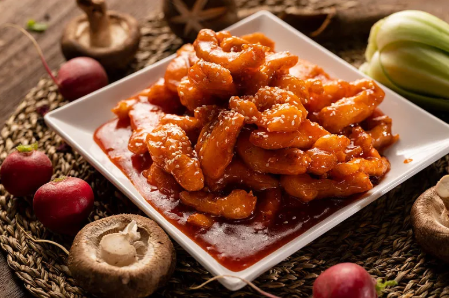
Lu cuisine is more than just food—it is a symbol of culture. It reflects the hospitality of the Shandong people and embodies the etiquette of Confucianism. In Shandong, every dish on the dining table carries symbolic meaning:
Symbolism in Food: Fish represents abundance, while chicken symbolizes good fortune and prosperity.
Banquet Etiquette: Traditional Lu cuisine banquets follow strict rules, such as the “four cold appetizers and eight hot dishes” arrangement, showcasing the deep respect for dining etiquette in Chinese culture.
Craftsmanship: Many Lu cuisine techniques have been passed down for generations, and prestigious restaurants continue to preserve these traditional methods to maintain authenticity.
5. The Global Influence of Lu Cuisine
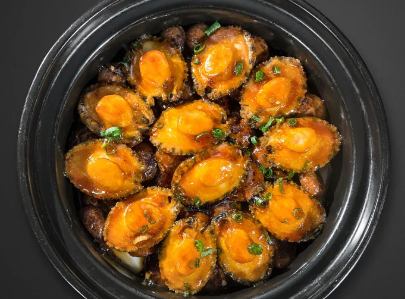
With China’s cultural influence spreading worldwide, Lu cuisine is gaining recognition
on the international stage. Many foreign food lovers are captivated by its distinct flavors and rich heritage.
Fusion with Western Cuisine: Some chefs have creatively blended Lu cuisine with Western elements, resulting in dishes like Sea Cucumber Pasta and Sweet and Sour Ribs Pizza, which have become especially popular among younger generations.
Expansion of Lu Cuisine Restaurants: More Lu cuisine restaurants are opening abroad, allowing international diners to experience authentic Shandong flavors.
As one of China’s four major culinary traditions, Lu cuisine has won the hearts of countless food lovers with its exquisite flavors and deep cultural roots. Whether you’re a foodie or a culture enthusiast, Lu cuisine is a journey worth exploring. Next time you enjoy a Lu cuisine dish, take a moment to appreciate the centuries of tradition behind it—a perfect blend of taste and wisdom.
Have you ever tried Lu cuisine? What’s your favorite dish? Share your thoughts in the comments below!
https://www.ctxkh.com/a-comprehensive-guide-to-chinas-regional-culinary-traditions/