https://www.ctxkh.com/a-culinary-guide-to-traditional-chinese-food-recipes-history/
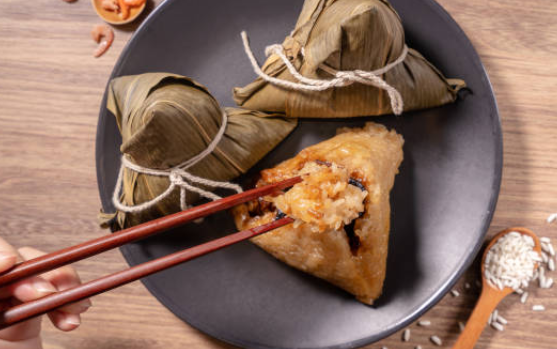
In the starry sky of traditional Chinese cuisine, Zongzi is like a unique pearl, bearing profound cultural heritage and historical memory. With its rich and varied practices and eating methods, it exudes charming charm over the years and has become the favorite of countless people. Every Dragon Boat Festival, the streets are filled with the fragrance of Zongzi leaves, which is the unique flavor of zongzi, awakening people’s yearning for this traditional delicacy.
1、 Craftsmanship with unique craftsmanship
(1) Careful selection of raw materials
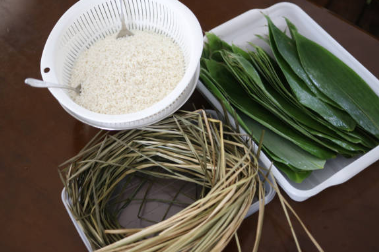
The first step in making Zongzi is to select high-quality raw materials. As the coat of Zongzi, reed leaves plays a vital role. Reed leaves are fresh and elegant, while leaves have a strong aroma. Whatever they are, they need to be carefully cleaned before use, and then soaked for standby. They will give Zongzi a unique fragrance and become an important part of Zongzi’s flavor. Glutinous rice, this protagonist usually chooses round grain varieties, which have a softer and more glutinous taste. After washing thoroughly, it is necessary to soak the rice grains for several hours to allow them to fully absorb moisture, laying the foundation for thorough cooking during steaming. Of course, in order to enrich the taste, millet, barley and other grains can also be added to add a different flavor to Zongzi. The choice of fillings is even more varied. Sweet red dates, bean paste, and candied fruit are like sweet spirits, bringing sweetness to Zongzi; The combination of savory pork belly, ham, egg yolk, shrimp, shiitake mushrooms, chestnuts, etc. creates a rich and mellow taste that satisfies the taste buds of different people.
(2) The exquisite art of packaging
Making Zongzi is an exquisite art. Triangle zongzi, quadrangle zongzi, pillow zongzi and so on have their own forms, each of which has its own unique packaging method. Triangle zongzi, simply take a piece of zongzi leaf, cleverly roll it into a cone shape, first fill it with some glutinous rice as the base, then add carefully prepared filling, and finally fill the cone with glutinous rice. Next, fold off the excess leaves of the zongzi, tightly cover the glutinous rice, and gently tie it tightly with cotton thread. A small and exquisite triangular zongzi is born. For a four cornered zongzi, two zongzi leaves need to be stacked, starting from one-third of the leaves and rolled into a funnel shape. Then, glutinous rice and filling are added in sequence, and the remaining parts of the zongzi leaves are cleverly folded to completely wrap the glutinous rice, forming a regular four cornered shape. Finally, they are firmly tied with cotton thread to fix their shape. The wrapping method of pillow zongzi is different. The zongzi leaves are spread flat, and layers of glutinous rice and filling are alternately laid. After reaching the appropriate thickness, the two sides of the zongzi leaves are folded in half towards the middle, tightly wrapping the glutinous rice. Then, a few layers of cotton thread are tied horizontally, and a full pillow zongzi is presented in front of you.
(3) The patient wait for steaming and cooking
The process of cooking Zongzi is a test of patience. When cooking Zongzi, put the wrapped Zongzi into the pot in order and add sufficient water. Make sure that the water is below the Zongzi, so as to prevent Zongzi from emerging from the water during the cooking process. First, bring the water to a boil over high heat, then reduce the heat and cook slowly. Triangle dumplings and quadrangle dumplings generally need to be cooked for 1.5-2 hours, while pillow dumplings and other larger Zongzi need to be cooked for 2-3 hours. The specific length of time needs to be flexibly adjusted according to the size and firepower of Zongzi. As time goes by, the aroma of zongzi leaves mixed with glutinous rice gradually fills the pot, which is a signal that delicious food is about to be born. If you choose to steam Zongzi, add proper amount of water into the steamer, put the steamer on the steamer frame, put the wrapped Zongzi on the steamer cloth or steamer paper, cover the pot cover, and steam it for about 1.5-2 hours with high fire. Don’t take it out quickly after steaming, and stew it for a while to make Zongzi more soft and glutinous.
2、 Rich and diverse unique ways of eating

(1) Pure enjoyment of original flavor
Peel the leaves and taste the fresh Zongzi directly, which is the purest way to eat. At this moment, one can truly feel the fragrance of zongzi leaves blending seamlessly into the glutinous rice, with the soft texture of the rice spreading out between the teeth, showcasing the original flavor of the filling. The sweetness of red date dumplings and the simplicity of white rice dumplings can immerse people in the most original flavor of Zongzi, as if they can touch the soul of traditional food, and feel the purity and beauty of the years.
(2) The flavor upgrade brought by dipping sauce
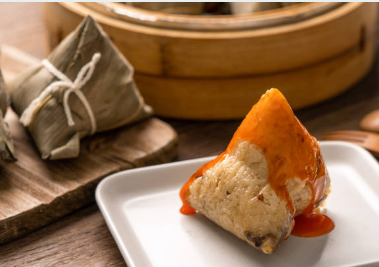
1. Sweet ornament of white sugar: sprinkle a layer of white sugar gently on the peeled Zongzi, and the white sugar particles gradually melt under the warm of glutinous rice. The sweet taste is perfectly integrated with the soft glutinous of glutinous rice, which instantly improves the sweetness of Zongzi, makes its taste more rich, and adds a touch of sweet color to the simple Zongzi.
2. Moisturizing and sweet honey: slowly pour honey on Zongzi, and the sweetness and unique flavor of honey instantly add color to Zongzi. The surface of Zongzi is more shiny because of the wrapping of honey. When entering, the moist feeling of honey is intertwined with the soft glutinous of Zongzi, bringing different taste enjoyment, making the taste of Zongzi more delicate and smooth.
3. Romantic flavor of syrup: sweet scented osmanthus syrup, rose syrup and other syrup with fragrance of flowers can be a unique match with Zongzi. When syrup is gently covered on Zongzi, the fragrance of flowers and zongzi blend together to create a romantic atmosphere. Every mouthful seems to be in a garden full of flowers. While tasting the delicious Zongzi, you can also feel the pleasure brought by the fragrance of flowers, giving ordinary Zongzi a different style.
Zongzi, a small traditional food, contains countless possibilities. From meticulous preparation to diverse eating methods, every step is filled with wisdom and joy. Zongzi, with its unique charm, has continuously conquered people’s taste buds and become an eternal landscape in Chinese food culture, whether it is traditional taste or innovative eating methods.
https://www.ctxkh.com/a-culinary-guide-to-traditional-chinese-food-recipes-history/