https://www.ctxkh.com/a-culinary-guide-to-traditional-chinese-food-recipes-history/
Dumplings, a traditional delicacy, are like a brilliant pearl on the crown of Chinese culinary culture. After years of refinement, they not only conquer the taste buds with their diverse flavors, but also carry profound cultural heritage and rich human warmth, leaving an indelible mark on the culinary landscape of China and even the world.
Production: Unique craftsmanship in the inheritance of craftsmanship
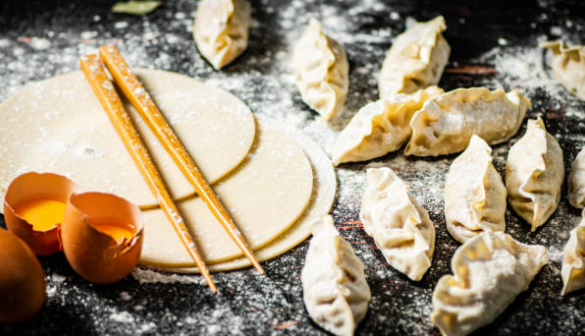
Making dumplings can be regarded as an artistic creation that gathers wisdom and emotions. The blending of flour and water is the beginning of this creation. Slowly pour water into the flour, hands like agile conductors, through a series of movements such as kneading, rolling, throwing, and beating, allowing the flour to fully absorb moisture, gradually forming a smooth and elastic dough, as if giving it life. The process of letting the dough settle and transform over time is like letting the dough settle and transform, laying the foundation for the subsequent production of powerful dumpling wrappers.
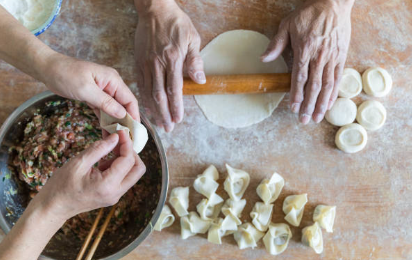
The filling process is a fantastic adventure of taste. Taking the classic pork and scallion filling as an example, fresh pork is mixed with fat and lean, and after being chopped into minced meat, its tender and juicy characteristics are preserved. The addition of scallions injects soul into the filling, creating a unique flavor that blends spiciness and sweetness, instantly activating the senses. Combined with fresh soy sauce, dark soy sauce, cooking wine to remove fishy smell, oyster sauce to enhance aroma, and appropriate amounts of salt and pepper for precise seasoning, various seasonings blend together during stirring, allowing simple ingredients to collide and create rich layers. If making vegetarian filled dumplings, leek and egg filling is an eternal classic. Fresh chives emit a rich aroma, perfectly combined with golden and tender scrambled eggs. With just a little salt and sesame oil seasoning, the ingredients can be restored to their most authentic and delicious taste, and every bite is filled with a natural aroma.
The technique of making dumplings is a crystallization of folk wisdom. Dumplings made using common northern techniques have a large belly and wide edges, shaped like ingots. The fine and neat folds on the edges of the dumpling skin are like patterns engraved by time, not only beautiful but also symbolizing wealth and prosperity in the new year. In the south, especially in Guangdong, the production process of shrimp dumplings is unparalleled. The ultra-thin transparent skin is wrapped around fresh and tender shrimp with elastic teeth, paired with emerald green bamboo shoots. After steaming, the translucent outer layer faintly reveals the color of the filling, like a delicate artwork, with both beauty and deliciousness.

Culture: Emotional Support in Festival Reunions
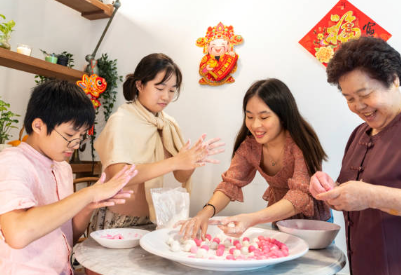
In Chinese life, dumpling has long gone beyond food to become a symbol of reunion and auspiciousness. Spring Festival, as the most important traditional festival of the Chinese nation, dumplings are undoubtedly the main characters on the dinner table. On New Year’s Eve, the whole family gathers together, and the elders skillfully roll dumpling wrappers with flowing movements; The younger generation sat around, earnestly learning to make dumplings, with laughter and joy echoing throughout the room. Each dumpling wraps around the family’s affection and beautiful expectations for the New Year. When steaming hot dumplings are served on the table and a family sits around to share, this warm scene symbolizes the completeness of the family and symbolizes the harmony, beauty, happiness, and health of the new year.
Besides the Spring Festival, dumplings also frequently appear on other traditional festivals or important occasions. In the north, eating dumplings on the winter solstice has been a long-standing custom. There is a saying among the people that goes, ‘If you don’t eat a dumpling bowl on the winter solstice, you’ll freeze your ears and no one will take care of you.’ A bowl of dumplings not only warms your body, but also inherits the wisdom and care of our ancestors. In some places, dumplings are also an essential delicacy on festive occasions such as the first month of a child or the birthday of an elderly person. They carry people’s aspirations and blessings for a better life.
Regional Flavors: A Food Feast of North South Integration
Dumplings spread their branches and leaves on the land of China, presenting completely different flavor characteristics due to regional differences. Northern dumplings are grand and majestic, with large sizes and solid fillings. The pickled Chinese cabbage pork dumplings in the northeast can be called the classic representative of the northern dumplings. Pickled Chinese cabbage has been pickled for a long time. It has a strong sour smell. It matches with fresh pork. The sour and fresh are mixed together. After a bite, the juice overflows in the mouth. It is full of home flavor, which gives people endless aftertaste. Shandong’s mackerel filled dumplings are unique, with fresh mackerel meat that is firm, tender, and juicy. Paired with a little leek to enhance the flavor, it does not require too much seasoning to highlight the freshness of the fish meat itself and showcase the unique culinary style of coastal cities.
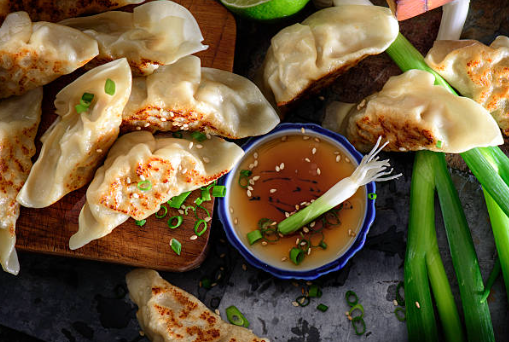
The dumplings in the south are exquisite and graceful. The shrimp dumplings from Guangdong have been mentioned earlier, while the Zhong Shui dumplings from Sichuan are also unique. Zhong Dumplings are small in size, with thin skin and tender meat. When served, they are topped with specially made red oil chili peppers, sprinkled with minced garlic and scallions, and the bright red color instantly arouses appetite. When entering, the slightly sweet and salty filling collides with the spicy and rich red oil on the tongue, creating a rich and irresistible taste that perfectly embodies the unique charm of Sichuan cuisine’s “one dish, one style, and a hundred flavors”.
Dumplings, a Chinese cuisine that spans ancient and modern times, and transcends regions, have become a must-have dish for family gatherings and festival celebrations due to their unique charm. They are also a shining business card for the dissemination of Chinese culinary culture to the outside world. It carries the historical memory, cultural heritage, and strong humanistic sentiment of the Chinese nation, and will continue to emit an enticing aroma in the long river of time, warming everyone’s heart and showcasing the vast and profound culinary charm of the Chinese land to the world.
https://www.ctxkh.com/a-culinary-guide-to-traditional-chinese-food-recipes-history/