https://www.ctxkh.com/a-culinary-guide-to-traditional-chinese-food-recipes-history/
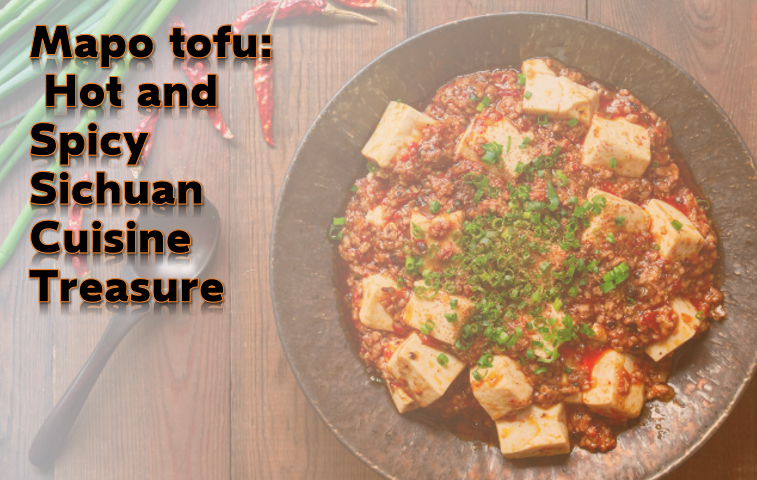
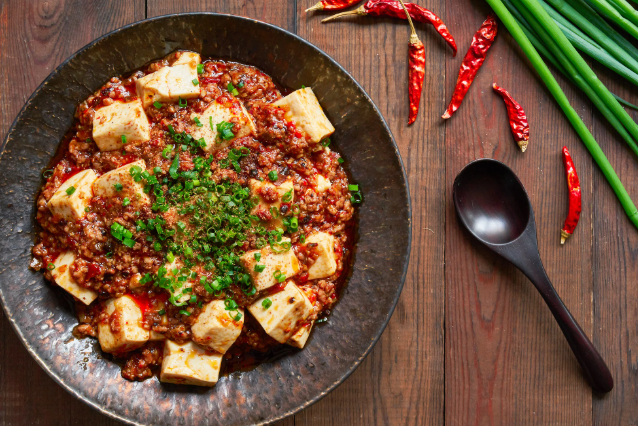
In the rich pedigree of global cuisine, Mapo tofu, like a shining star, stands out among many dishes with its unique charm. This classic Sichuan cuisine, with its spicy and stimulating taste, rich and mellow flavor, has become a distinctive business card of Chinese culinary culture on the international stage, conquering the taste buds of countless diners from all over the world.
History of Mapo tofu
The story of Mapo tofu starts from the first year of Tongzhi in the Qing Dynasty. At that time, there was a small restaurant next to Wanfu Bridge in Chengdu. The owner’s wife had a slight numbness on her face and was called Chen Mapo. There are often oil pickers taking a break and eating here, so Chen Mapo uses cheap tofu, paired with homemade bean paste, chili noodles and other seasonings, to make a spicy and delicious tofu dish. This dish is affordable and delicious. It is loved by porters, and the name of “Mapo tofu” has spread.
With the passage of time, this folk delicacy gradually spread out of Chengdu and across the country. In the process of inheritance, chefs from various regions constantly improve and innovate, making their flavors more diverse and rich, but always retaining the core characteristics of spicy and fresh flavors. Today, Mapo tofu has become one of the most representative dishes in Sichuan cuisine and enjoys a worldwide reputation.
Unique manufacturing process
Food selection
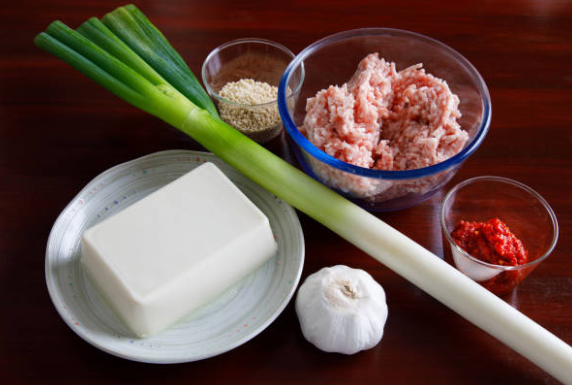
To make Mapo tofu, the selection of ingredients is very important. Tofu should be selected with a delicate texture and smooth texture, so that it can absorb the rich flavor of seasonings while maintaining its freshness and tenderness during the cooking process. The local Erjingtiao chili and bullet chili are mostly used as chilies. Erjingtiao chili has a strong aroma and bullet chili is moderately hot. The combination of the two gives Mapo tofu a unique spicy taste. In addition, high-quality Chinese prickly ash, Pixian bean paste and a moderate amount of minced meat are also needed. These ingredients work together to build a rich flavor foundation of Mapo tofu.
Cooking steps
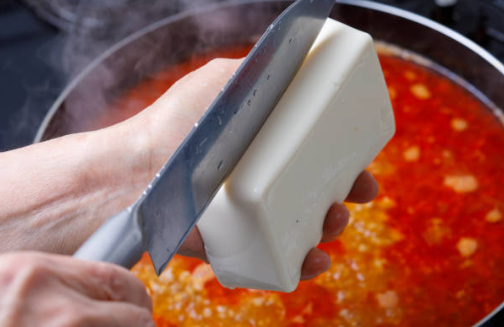
First, cut the tofu into evenly sized cubes and blanch it in hot water with salt added. This can not only remove the bean like smell of the tofu, but also make it more compact and less likely to break during subsequent cooking. Heat oil in the pot, add minced meat and stir fry until it changes color. Add chopped Pixian bean paste and stir fry until red oil is added. At this point, the rich aroma of the sauce will spread. Then add Sichuan peppercorns and chili noodles, stir fry until fragrant and spicy, pour in an appropriate amount of water, and add blanched tofu. Gently flip it over to allow the tofu to absorb the soup evenly. After simmering for a moment, add an appropriate amount of water starch to thicken the soup and fully wrap it around the tofu. Finally, sprinkle with a handful of scallions and pepper noodles, and a Mapo tofu with perfect color, fragrance and taste will be completed.
Tempting flavor characteristics
The perfect fusion of spicy and fresh flavors
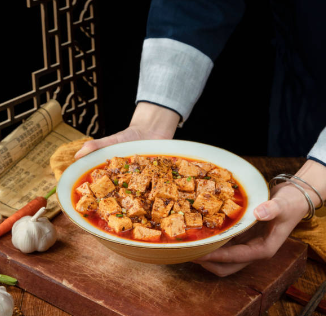
The biggest charm of Mapo tofu lies in the perfect combination of its four flavors of spicy and delicious. At the moment of entry, the burning sensation of chili and the numbing taste of Sichuan pepper quickly stimulate the taste buds, bringing a strong sensory impact. Subsequently, the rich sauce aroma of Douban sauce, the bean aroma of tofu, and the meat aroma of minced meat are released one after another, interweaving various flavors with rich layers. The tender and smooth texture of tofu contrasts sharply with the rich flavor of seasonings. With just one bite, there is both a spicy stimulation and a tender and smooth enjoyment, which is irresistible.
Rich taste layers
In addition to its rich flavor, Mapo tofu also has a rich taste. Tofu itself has a delicate texture and melts in the mouth, as smooth as silk. After stir frying, the minced meat becomes crispy and delicious, increasing the pleasure of chewing. The granular texture brought by chili and Sichuan pepper noodles adds a unique texture to the taste. Combined with the fresh embellishment of scallions, the whole dish has a rich and full-bodied taste, as well as a refreshing layering, making every bite full of surprises.
The influence of Mapo tofu at home and abroad
Representative of Sichuan cuisine in China
In China, Mapo tofu is a classic representative of Sichuan cuisine, which can be seen in high-end restaurants and street stores. In Sichuan restaurants, Mapo tofu is often used as a signature dish, attracting diners to taste it. It is not only a delicious dish, but also an important symbol of Sichuan cuisine culture, reflecting the characteristic of “one dish, one style, and a hundred flavors” of Sichuan cuisine. Mapo tofu is a frequent guest at the dinner table and is loved by people, whether it is a family dinner, a gathering of friends or a business banquet.
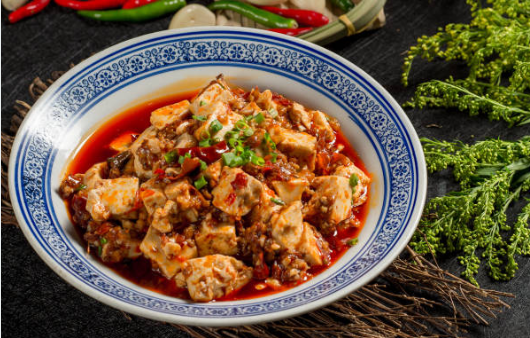
Global food celebrities
Mapo tofu is also popular internationally. With the wide spread of Chinese culture, more and more foreigners begin to contact and fall in love with Chinese food. With its unique flavor, Mapo tofu has become a window for them to understand Chinese food culture. In Chinese restaurants around the world, Mapo tofu is almost a must. Many foreign chefs also made innovative interpretations of this dish, combining it with local ingredients and cooking methods, creating a variety of new flavors, and further promoting the spread of Mapo tofu in the world. Today, Mapo tofu has become one of the representatives of Chinese food in the minds of food lovers around the world, and is blooming with unique brilliance on the international food stage.
Mapo tofu, a delicacy with profound historical and cultural heritage and exquisite cooking skills, has conquered the taste buds of global diners with its unique hot and delicious flavor. It is not only a taste enjoyment, but also a vivid embodiment of Chinese food culture. When you taste Mapo tofu next time, you might as well savor the historical charm and food charm contained in it, and feel the unique style of this treasure of Sichuan cuisine.
https://www.ctxkh.com/a-culinary-guide-to-traditional-chinese-food-recipes-history/