https://www.ctxkh.com/a-culinary-guide-to-traditional-chinese-food-recipes-history/
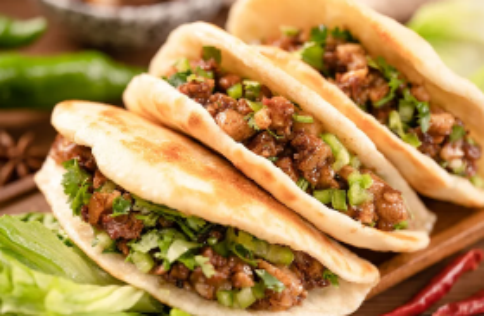
Hey foodies! I’m super excited to share one of the most amazing street foods from China with you today – Roujiamo. It’s like a flavor explosion that will make your taste buds dance!
What Exactly is Roujiamo?
Roujiamo is a famous traditional snack from Shaanxi, China. It’s often called the “Chinese hamburger” because it’s basically meat stuffed inside a crispy bun. But trust me, it’s way more delicious than any regular burger!
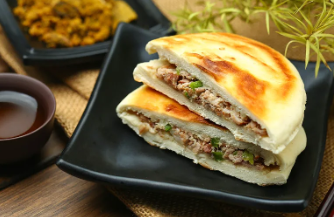
The name “Roujiamo” means “meat – stuffed bun”. It’s a perfect combination of juicy, tender marinated meat (usually pork) and a crusty, flavorful bread called Baiji bun. When you take a bite, the softness of the meat and the crunchiness of the bun just blend together in the most amazing way.
A Bite of History
The story of Roujiamo goes way back. The marinated meat, called Lazi meat, has been around since the Warring States period. Back then, it was known as “Han meat”. Over time, the recipe evolved, and it became the mouth – watering dish we know today.
Legend has it that people used to call it “Mo jia rou” (bun with meat), but because of the local dialect, it sounded like “no meat”. So, they changed it to “Roujiamo”, and the name stuck!
Different Types of Roujiamo
By Region
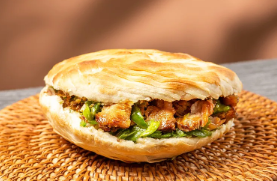
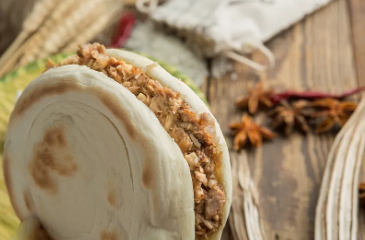
Shaanxi – Style Roujiamo with Baiji Bun: This is the classic one. The Baiji bun has a beautiful golden – brown color with clear stripes. It’s puffy inside, with a crispy crust and a soft, tender center. The Lazi meat is cooked in a big pot with a thick layer of oil on top of the broth to keep it warm and fragrant. After cooking, the fat looks as white as wax, and the lean meat is super tender. It’s way more tender and flavorful than regular marinated meat.
Baoji Xifu’s Rouzaozi Mo: What makes this one special is that the meat sauce has vinegar in it, giving it a unique tangy flavor.
Tongguan Roujiamo: The bun here is also crispy and has a layered texture. The unique thing is that it’s served with warm buns and cold meat. The combination of the crispy bun and the fragrant meat is just so satisfying.
By Meat Type
All Lean Meat: This is a favorite among young people, especially girls who are watching their figure. It’s a healthier option, but still full of flavor.
Fat – and – Lean Mix: This is the most popular choice. The balance of fat and lean meat makes the filling rich and flavorful. It’s like a party in your mouth!
All Fatty Skin: For the true meat lovers out there! The fatty skin is soft, chewy, and not greasy at all. It’s the ultimate treat for those who appreciate the finer things in life.
How to Make Roujiamo at Home
Ingredients
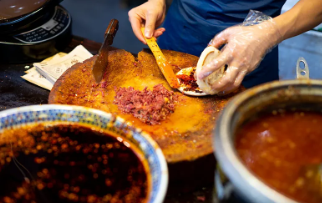
For the Meat: You’ll need some good – quality pork, like pork belly or pork leg. Also, gather up some ginger slices, rock sugar, cinnamon, star anise, tsaoko fruits, Sichuan pepper, bay leaves, cardamom, cooking wine, light soy sauce, dark soy sauce, salt, and water. Some people also like to add cloves, fennel, dried tangerine peel, and other spices for extra flavor.
For the Bun: You’ll need plain flour, warm water, yeast. Some recipes also call for a bit of oil, sugar, or even a little bit of alkaline water.
Step – by – Step Guide
The Meat:
Recipe 1: Put the pork and all the seasonings in a casserole, add enough water, bring it to a boil over high heat, and then simmer over low heat until the meat is super tender.
Recipe 2: Put the pork and seasonings in a bread machine (oops, should be a cooking pot, I guess). Let it cook until done. For the bun, divide the risen dough into small pieces, roll them into balls, flatten them into small cakes, let them rise a bit more, and then fry them in a pan until golden on both sides.
Recipe 3: Cut the pork into pieces, blanch it, put it back in a pot with new water and seasonings, simmer for about an hour, and then transfer it to a clay pot to continue simmering for a total of over 3 hours. For the bun, dissolve yeast in warm water, mix it with flour, knead into a smooth dough, let it rise, divide it into small pieces, roll them into long strips, roll them up, flatten them into cakes, and fry them in a dry pan until golden.
Recipe 4: Blanch the pork, then cook it in a pot with seasonings. After about 40 minutes, add cooking wine, soy sauce, rock sugar, and salt. For the bun, divide the flour into two parts, one part for risen dough and the other for regular dough. Combine them after they are ready, make small cakes, and fry them in a pan.
Recipe 5: Blanch the pork, put all the seasonings in a spice bag, add it to the pork along with other seasonings, and simmer for an hour and a half (or use a pressure cooker for 20 minutes). For the bun, mix flour, water, oil, sugar, and yeast, let it rise, make small cakes, and fry them in a pan.
Recipe 6: Mix flour, yeast, sugar, and oil with water, knead into a smooth dough, let it rise, make small cakes, and fry them in a pan. For the meat, cook it and chop it up with some gravy.
Recipe 7: First, make the caramel color. Then, blanch the pork, put it in a pot with seasonings, bring to a boil, skim the foam, and simmer for 2 hours, then add salt and simmer for another 10 minutes. For the bun, dissolve yeast in water, mix with flour, knead into a firm dough, add alkaline water, knead until smooth, make small cakes, and fry them in a pan.
The Bun:
Dissolve the yeast in warm water. Add it to the flour and stir until there are no dry lumps. Knead the dough until it’s smooth. Let it rest for a while.
Divide the dough into small pieces. Roll each piece into a long strip, then roll it up, flatten it, and shape it into a round bun.
Heat a pan (no oil needed). Put the buns in the pan and cook over low heat until both sides are golden brown.
Assembly:
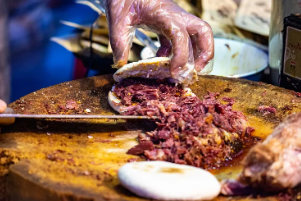
Chop the cooked meat into small pieces. You can add some fresh coriander or chili if you like.
Cut the bun in half (but don’t cut it all the way through). Stuff the chopped meat inside the bun, and voila! Your delicious Roujiamo is ready to be devoured.
Cooking Tips
Use semi – risen dough for the bun. If you use fully risen dough, the bun might puff up too much and lose its shape.
Adding a bit of alkaline water to the dough makes the bun more chewy and flavorful.
Don’t put any oil in the pan when frying the buns. Just heat the pan first and then put the buns in. Cook them slowly over low heat to get a crispy crust and a soft inside.
Nutritional Value and Things to Know
Pork is a great source of high – quality protein and essential fatty acids. It also provides heme iron and cysteine, which can help prevent iron – deficiency anemia. But be careful, don’t drink a lot of tea right after eating pork. Tea contains tannic acid, which can combine with protein to form a substance that can slow down digestion and cause constipation.
Common Problems and Solutions
The Meat Doesn’t Smell Good
Make sure to use good – quality spices. Don’t buy fake or old spices. Keep the spices in a cool, sealed place. And don’t grind the spices until you’re ready to use them. Change the spice bag regularly, and don’t add too much water to the new broth.
The Yield of Marinated Meat
Normally, one pound of raw meat can make about 6 – 7 ounces of Lazi meat. The yield depends on the fat – to – lean ratio of the meat and how well – cooked it is. Leaner meat that is cooked harder will have a higher yield.
Problems with the Bun Dough
If the dough doesn’t rise, try different types of flour. Fresh, dry flour works best. In winter, make sure to let the dough rise in a warm place. When kneading the dough, do it thoroughly. Use warm water, and don’t make the dough too soft. Also, pre – heat the pan well. If the dough has risen too much, just add some flour and alkaline water and knead it well. In summer, be careful not to let the dough rise too much at once. If the bun tastes sour, you might have added too much yeast. If it’s yellow, you added too much alkaline. If it’s bitter, the alkaline wasn’t kneaded evenly.
Charcoal vs. Steel Charcoal
Traditionally, the buns were baked in a charcoal – fired hanging oven. But nowadays, steel charcoal ovens are more common. Charcoal ovens make the buns rise better and taste great, but they are a bit messy and the fire doesn’t last long. Steel charcoal ovens are more stable, less messy, and easier to use.
What to Pair with Roujiamo
Roujiamo is great on its own, but it can also be paired with some other delicious things. In spring and summer, it goes well with cold noodles, Bingfeng soda, and red bean or black rice porridge. In autumn and winter, you can pair it with rice noodles, vermicelli, seaweed and vermicelli soup, sheep blood soup, or wontons.
Awards and Recognition
In 2011, Tongguan “Roujiamo” and “Nanjie Beixinzi” were included in the provincial intangible cultural heritage protection list. In 2016, Roujiamo was selected into the fifth batch of Shaanxi’s intangible cultural heritage list. It’s not just a delicious snack; it’s a part of Chinese culture!
Special Ways to Enjoy Roujiamo
Tongguan Roujiamo with Duck – Shaped Soup
Tongguan Roujiamo has a crispy, dry, and fragrant bun, and the meat is not greasy. The duck – shaped soup that goes with it is actually made from pork tenderloin, not duck. It’s originally called “Huiji liji”. Eating a bite of the Roujiamo and then a sip of the soup is an amazing experience.
Xianyang’s Guokui Yazi (Similar to Roujiamo)
Guokui Yazi is a bit more delicate than regular Roujiamo. The bun is semi – circular, with a super crispy outer layer that breaks into small pieces. The combination of the doughy and meaty flavors is just wonderful. It’s made from a small piece of dough, flattened into a thin cake, baked until 70% done, cut in half, and then filled with marinated meat. It’s not as well – known because it’s small and doesn’t sell for a high price.
So, there you have it, folks! Roujiamo is not just a food; it’s an adventure for your taste buds. Why not give it a try and see for yourself how amazing it is? Let me know in the comments if you do! ��
https://www.ctxkh.com/a-culinary-guide-to-traditional-chinese-food-recipes-history/